
Products / Sump pumps

Sump Pumps & Sump Pump Systems

Water in the wrong place is expensive. We supply pumps, basins, and controls built to move water from where it causes damage to where it belongs. A flooded basement, a waterlogged equipment pit, an excavation that won't drain — these aren't minor inconveniences. They're operational problems that compound quickly if the right system isn't in place. Rock City Machine Company has been solving dewatering problems across Middle Tennessee since 1902.

What Is a Sump Pump System?

A sump pump system is an integrated assembly of components that collects, detects, and removes water from a low-lying area before it causes structural damage or operational disruption.

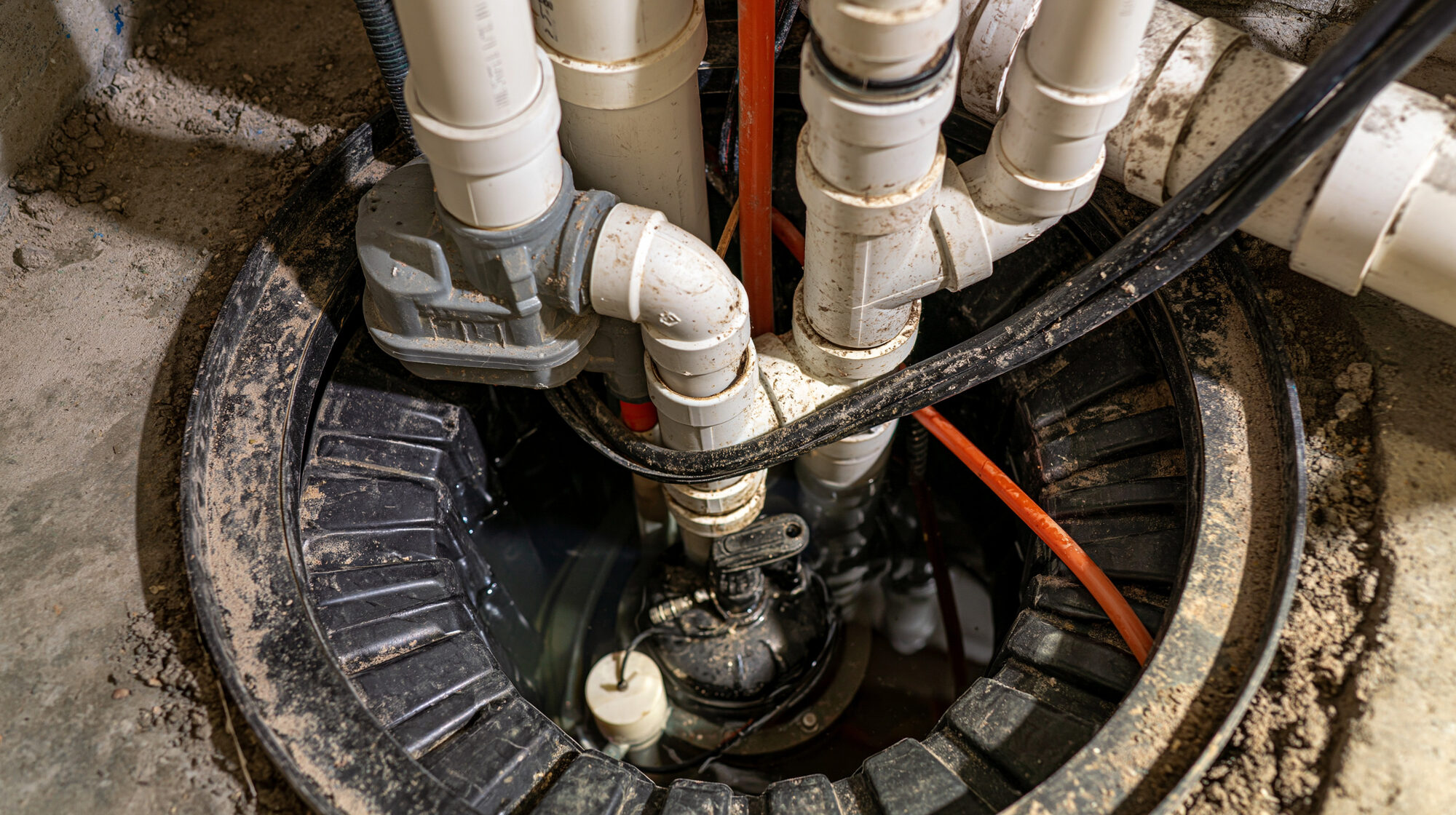
At its core, the system includes a sump basin (the pit that collects water), a pump sized to the application, and a control or switch that activates the pump when water reaches a set level. More complex applications incorporate backup power, alarm systems, high-water alerts, or multi-pump configurations.
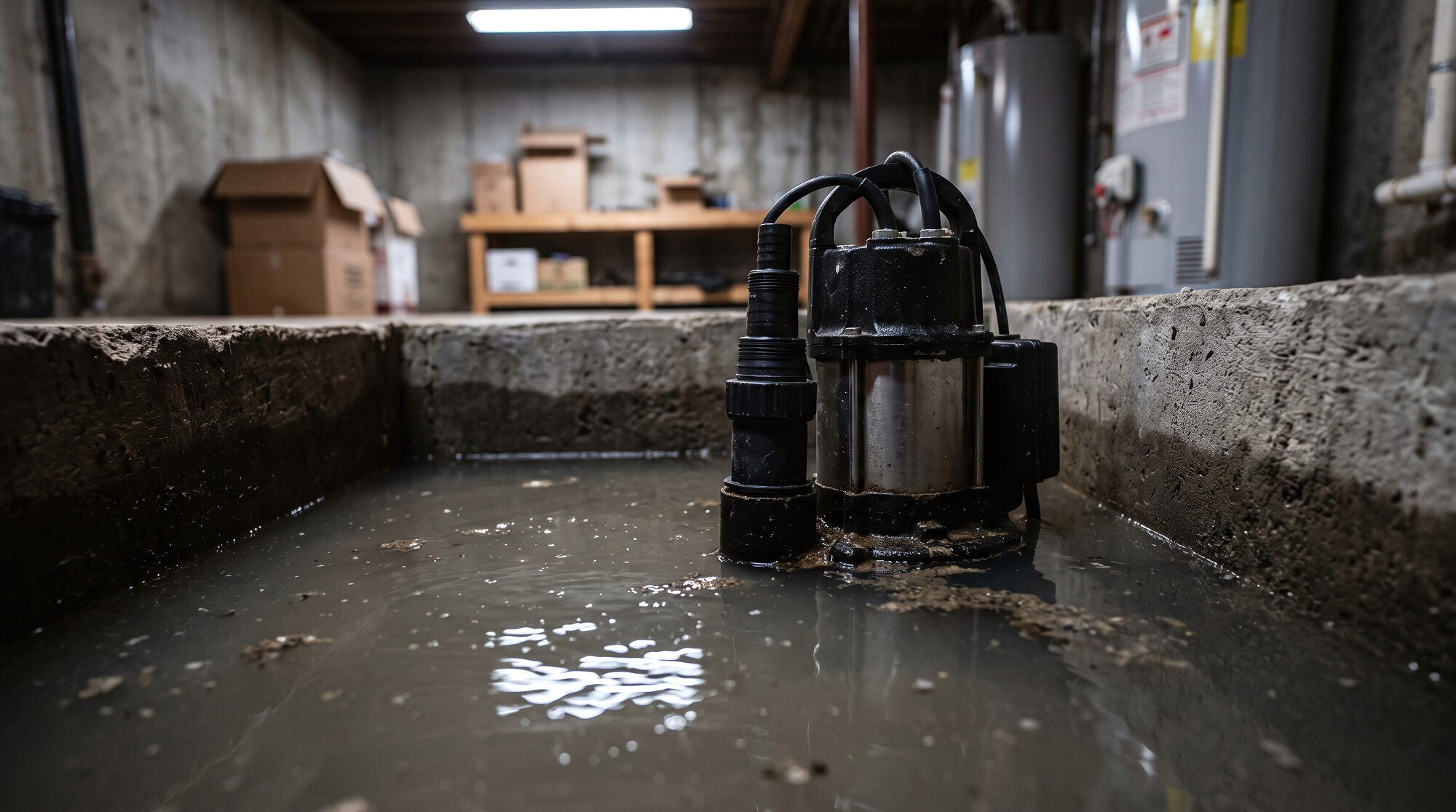
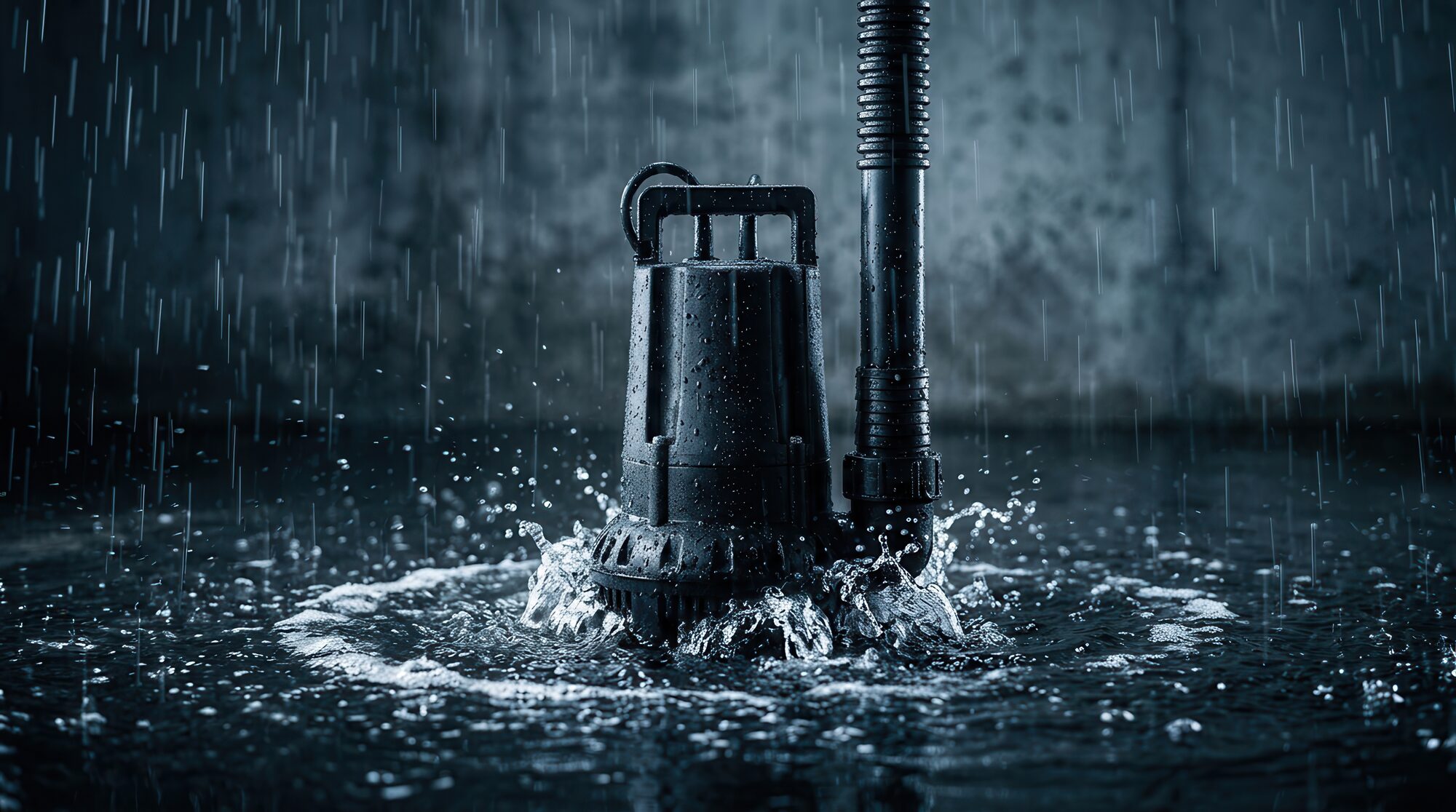
Submersible sump pump sitting in rising water inside a basement pit
Applications

Dewatering Is Our Specialty

Moving water efficiently requires more than selecting a pump off a shelf. Flow rate, total dynamic head, basin sizing, discharge piping, and control logic all factor into a system that performs reliably over time.

Our team works with residential customers protecting their homes and with industrial clients managing large-scale drainage challenges. We size and configure systems for the actual conditions of each application, not generic specifications.

System Components We Provide

Sump Basins

Correctly sized basins ensure adequate storage volume and proper pump cycling. An undersized basin causes the pump to short-cycle, and that kills service life faster than almost anything else.

Pump Controls and Float Switches

Reliable controls are what make a sump system automatic. We offer mechanical float switches, electronic level controls, and multi-pump panel systems for more demanding applications.

Backup Systems

Battery backup and water-powered backup pumps provide protection when primary systems fail during power outages, which tend to hit hardest during the heaviest rainfall events.

Discharge Piping and Check Valves

Proper discharge routing and check valves prevent pumped water from flowing back into the basin when the pump shuts off.

Sizing and System Design

An undersized pump leaves water behind. An oversized pump short-cycles and wears out ahead of schedule. Getting it right depends on the inflow rate, the depth of the basin, the length and elevation of the discharge run, and whether the application involves continuous or intermittent water entry. If your project also involves water pressure management or sewage and wastewater removal, we can address those needs alongside your dewatering requirements.

Brands We Carry

The Most Trusted Names

Stocking this range of manufacturers means we can match the pump, basin, and control panel to the actual inflow rather than defaulting to a single brand.

MyersGoulds Water TechnologyPentairPentair HydromaticEbaraAshland PumpPower-Flo Pumps & SystemsLittle GiantSJE RhombusSeptic Products Inc.
Before You Buy

Frequently Asked Questions

Not sure how to size a basin or whether you need a backup? Our staff has been specifying dewatering systems in this region since 1902.

Sizing depends on the expected inflow rate and the total head the pump must overcome, which includes the vertical lift plus friction losses in the discharge piping. For most residential basements, a 1/3 or 1/2 horsepower pump in the 40–60 GPM range is adequate, but unusual conditions warrant a more detailed calculation.

In areas with frequent power outages or where basement flooding would cause significant property damage, a backup system is a sound investment. Battery backup pumps and water-powered backup units both have practical applications depending on your power supply and water pressure.

A submersible pump sits inside the basin and operates underwater. A pedestal pump mounts above the basin with only the intake submerged. Submersible models are generally quieter and better suited for basins with high inflow, while pedestal pumps are easier to service and work in narrower basins.

Annual inspection is a reasonable baseline for residential systems. Test the float switch, check the discharge line for obstructions, and inspect the check valve. Industrial and high-use systems warrant more frequent attention. Our water pump and pump systems service team supports the equipment we sell.

Get the Right System for Your Application

Whether you're dealing with a water quality issue at home, need a pump system evaluated, or are sourcing equipment for a larger project, Rock City Machine has the experience and inventory to help.